|
HAPPY HOLIDAYS!
Be it Christmas, Hanukkah, Kwanzaa, Winter Solstice or any other occasion you celebrate this time of year, December is a festive time marked with rich desserts, gift-sharing, and awaiting the new year with anticipation. May your holidays be safe and happy!
|
|
ANNOUNCEMENTS
|
|
WE'VE MOVED
We wanted to start off the new year with a new office. Our office is now located in Kirkland. Check out what else is new with us on our website.
--------------------------
HOMEBUYER TAX CREDIT
The $8,000 tax credit offered to first time homebuyers was officially extended through April 30, 2010. In addition, the tax credit has been expanded to give homebuyers who have lived in their current residences for five years a tax credit of $6,500. Happy house hunting!
Need the name of a good real estate agent?
Over the years, we have had the opportunity to observe many real estate agents at work helping their clients. Truth be told, not all agents are the same. Some of us know from personal experience that a good agent is worth every penny of their commission. Conversely, a not-so-great agent is paid the same commission, and can cost you in other ways--even years after the transaction is over. So, don't trust important real estate matters to any random person on a flyer. Call us and ask who we think is a great agent in your area! It's a good place to start your search for an agent.
|
|
TECHNICAL CORNER
|
 |
Ground
Fault
Circuit
Interrupter
(GFCI)
|
PURPOSE
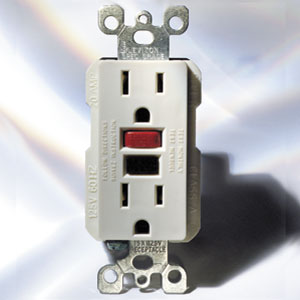
A ground fault is an unintentional electric path between a source of current and a grounded surface. Electrocution occurs when your body provides the path to the ground. A GFCI is a device that detects short circuits and automatically shuts off the current, thereby protecting you from potential electrocution.
WHERE NEEDED
You should have GFCI protection in all bathroom and kitchen outlets, garage wall outlets, crawlspaces and unfinished basements, whirlpool tubs and Jacuzzis, and any other place that can potentially be damp (water is a very efficient conductor).
WHO SHOULD INSTALL
Circuit breaker type: Qualified electrician
Receptacle type: Qualified electrician or very skilled and knowledgeable homeowner.
Portable type: Homeowner
|
|
CONTEST: WHAT IS IT?
|
|
ARC FAULT CIRCUIT INTERRUPTER (AFCI)
Send in a great description of our featured item in 50 words or less and win a $25 gift card to Home Depot! The winner's description will be posted in a subsequent newsletter. Write and send
|
|
LAST MONTH'S WINNER
|
|
WATER HAMMER
"Loud banging noise in plumbing pipes when the fluid flow is stopped too suddenly."
Eric
Edmonds, WA
Thanks Eric for the great description. Use the Starbucks giftcard to get yourself a Venti White Chocolate Mocha. There's nothing like 20 ounces of caffeine and sugar to kickstart a day of home maintenance projects!
Should it be repaired?
Yes. Water hammer is not only annoying, but it can damage your plumbing system. You should definitely get it fixed.
Some options:
--Drain the plumbing system to recharge the air chambers;
--Reduce your water pressure;or
--Install a water hammer arrestor at the offending fixture
|

|
Let the Games Begin!
The competition is about to start. Participants are quietly readying themselves for this year’s match. It will be a test of courage and physical endurance as competitors face brutal cold and icy conditions for a chance at victory.
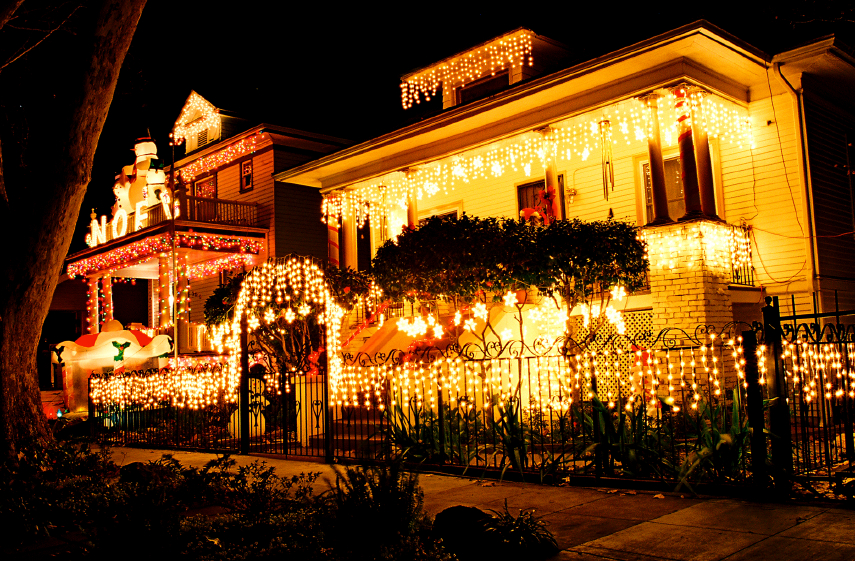
No, I am not referring to the much anticipated events of the Vancouver Winter Olympics. I am referring to the annual ritual of hanging holiday lights and the competition to be bigger and better than the year before—or at least better than the house down the street.
The holidays certainly wouldn’t be the same without these dedicated neighbors who make our gray winters so festive and colorful. And, the utility companies can’t complain about the year-end bump in revenues. However, while enjoying all the harmless fun, it’s important to keep in mind that the season also brings with it heightened risk for fire and other safety hazards.
The U.S Consumer Product Safety Commission (CPSC) states that about 10,500 people are treated in emergency rooms each year for injuries related to holiday lights, decorations and Christmas trees. There are 11,000 candle-related fires each year resulting in 150 deaths and countless injuries. The statistics go on.
This isn't to say that you should pull the plug on your extensive collection of lighted inflatables. But, you might want to consider a few of the following safety tips before setting up that ladder:
- Outdoor lights should be plugged into GFCI protected outlets (see this month’s Technical Corner)
- Remember that electricity and water should never mix—even with outdoor lights. Keep connections away from puddles, drips and any other potential water source (I know--again with the water, for those of you still reeling from last month’s newsletter)
- Overloaded extension cords can get hot and burn
- Only use UL or ETL-tested lights
- Check older strands of lights carefully and toss any that show signs of wear or damage (Just because it works it does not mean it is safe to use)
- Replace burned out bulbs with those of the same wattage
- Listen to the box. Connect no more than the recommended number of strands together (usually 3). And, no more than that onto a single extension cord.
- Unplug the lights when you leave the house or go to bed. Lights can short and start a fire
- Be careful where you place lighted candles—and never use to decorate the tree
- If you do light candles, use non-flammable candle holders (little votive candles may appear harmless, but they do still hold fire)
- As you unwrap gifts, keep used wrapping paper away from fireplaces and candles
- Use flame resistant paper when making paper decorations for the tree
- Avoid burning evergreens in the fireplace. Dry evergreen boughs can flare out of control and shoot sparks into the room.
- Keep matches, lighters, and candles out of the reach of children (Side note: Scented candles can tempt children to take a bite).
- Prolong the freshness of real trees to avoid increasing risk of fire. Hot lights twisted onto dry tree branches—not good
While we all enjoy a grand rooftop display of Shrek in winter wonderland, if you live in one of those quaint Seattle houses built in the 1920s, with the original knob and tube wiring still intact, you may be wise to exercise some restraint. Some of these older electrical systems were not designed to support even our current standard of “normal” household electrical usage, let alone three miles of Christmas lights used to wrap every inch of a Japanese maple.
Safety tips can’t beat good old fashioned common sense for avoiding senseless tragedy. Hope you use plenty of both to ensure another memorable and safe holiday season!
____________________________________________
Heat Safely
The National Fire Protection Association states that “heating equipment is the leading cause of home fires during the months of December, January and February, and trails only cooking equipment in home fires year-round.” This heating season, keep these tips in mind:
-
Keep objects, including curtains, away from heat sources, such as electric baseboard heat registers, radiators and space heaters.
-
If you have an electric in-wall heater, check with the Consumer Product Safety Commission (CPSC) to make sure yours isn’t on the recall list
-
Never leave space heaters unattended and always turn them off before going to bed
-
Have your heating system serviced annually, and change filters often
-
Never use cooking appliances, such as a range or oven, to heat the house
-
If you plan on using the wood-burning fireplace, make sure the chimney is clean and the flue is open.
_________________________________
Add this to your Santa's Wish List
By now you are pretty well aware that you need to have operating smoke detectors in your home. You should have at least one on each level and near/in sleeping areas. And, you probably know that you should have fire extinguishers charged and ready to go--at a minimum, one near the kitchen and one on the upper floor of a 2-story house.
Here's one you may not have thought about. If you live in a multi-story home (or an upper level condo unit), look out one of the windows on your upper floor and ask yourself whether you could survive a jump from it. No? What would you do if this window were your only option for escape during a raging fire?
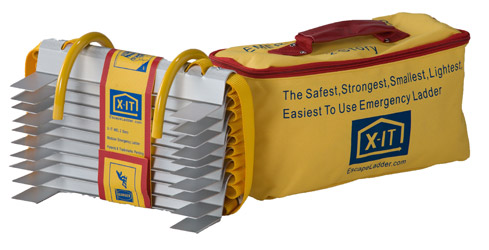 |
A 2-story fire escape ladder will allow you to climb down to safety. It's compact for easy storage. And, they come in multiple lengths.
If you are fortunate, you will never need it. If there is a fire, you will be grateful to have it.
|
IMPORTANT TIPS
Don't just buy one and throw the box into a bedroom closet and forget about it. Take the ladder out of the box and store it ready-to-use. You won’t have time to search for a box cutter or read instructions during an actual fire. In fact, you and each member of your family should use the ladder to practice your escape.
Note that some fire escape ladders are limited to "one-time use". Pay a little extra and opt for one that allows you to reuse it, so that you can test it and do practice drills.
___________________________________
Seeing is believing!
|
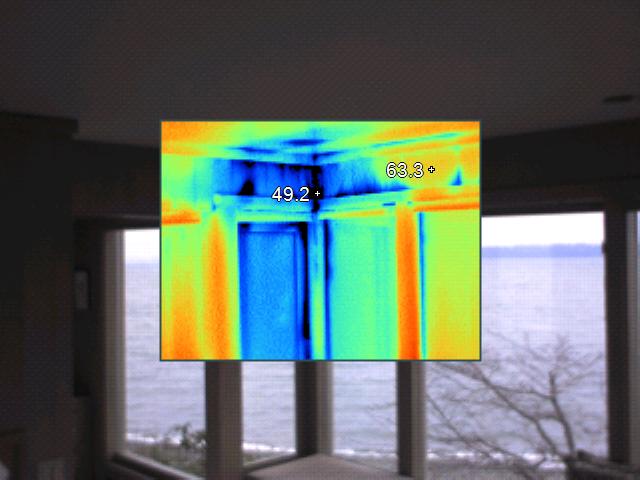
Cold air leaking in around window (glass is cold, too)
|
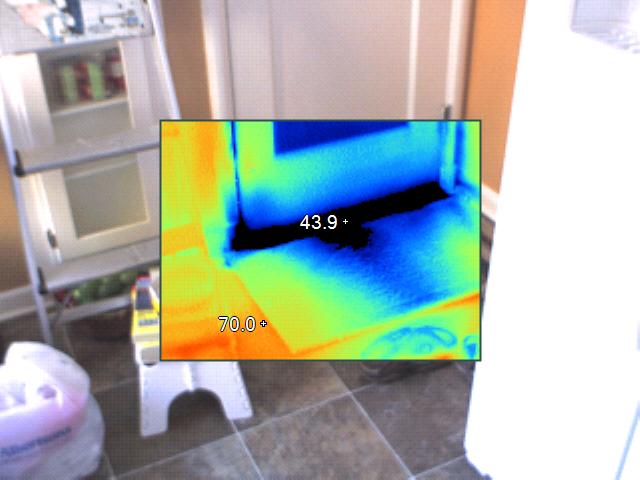
Cold air leaking in beneath door
(Blue = Cold)
|
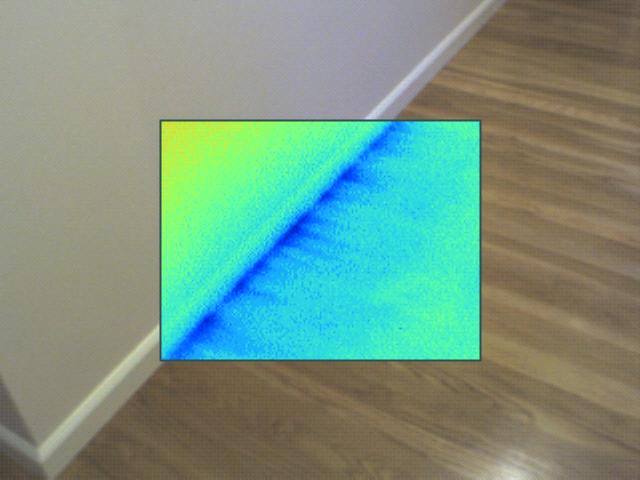
Cold air leaking in through gap in wall/floor
|
You've probably heard more than once how important air sealing and good weatherstripping are to improve the energy efficiency of your home. Now you can see why. These are thermal images from energy audits we've performed. A couple of hours spent sealing up the house will give these clients years of winter warmth--not to mention saving money on their utility bills!
NEED AN ENERGY AUDIT?
CALL US: 425-220-7183
If you missed last month's newsletter, click here.
|

